



- Почтовый ящик:
- Телефон:
- Мобильные телефоны:
- Связь:
- Адрес:
- Room 9098, 9/f, No. 1, Shabei South Street, Guangzhou, Guangdong, China
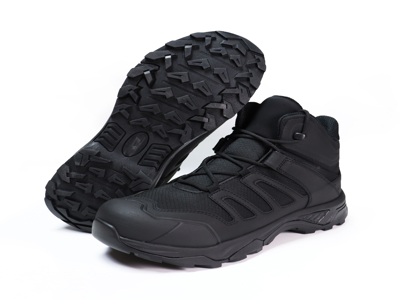
Когда вы сталкиваетесь с экстремальными условиями, будь то суровый холод, интенсивная жара, опасные рабочие среды или активные приключения, как вы можете быть уверены, что ваши ноги получают необходимую защиту? Ведь ноги — это основа вашей мобильности и комфорта. В этой статье мы глубоко погрузимся в мир защитной обуви, исследуя ключевые аспекты, которые делают ее незаменимой для безопасности и производительности. От технологий производства до реальных историй успеха, мы ответим на все ваши вопросы и поможем вам сделать осознанный выбор. Давайте начнем это путешествие вместе!
Что такое экстремальные условия и почему они требуют особой защиты?
Экстремальные условия — это ситуации, где окружающая среда или деятельность представляют повышенный риск для здоровья и безопасности. Это может включать:
- Экстремальные температуры: от арктического холода до пустынной жары, где ноги могут страдать от обморожения или перегрева.
- Опасные рабочие среды: строительные площадки, химические заводы, шахты, где есть риск травм от падающих предметов, химических веществ или электричества.
- Активный отдых: походы в горы, бег по пересеченной местности, водные виды спорта, где ноги подвергаются механическим нагрузкам и воздействию элементов.
- Медицинские и военные операции: ситуации, требующие стерильности, устойчивости к проколам или защиты от биологических угроз.
В таких условиях стандартная обувь часто fails to provide adequate protection. Why is that? Because it lacks specialized features designed to mitigate risks. For instance, in cold environments, insulation is crucial to prevent hypothermia, while in hot conditions, breathability helps avoid heat stress. In industrial settings, steel toes and puncture-resistant soles are essential to prevent injuries. Without these, the consequences can be severe: from minor discomfort to life-threatening incidents. So, how do we ensure our feet are safeguarded? The answer lies in investing in high-quality protective footwear tailored to specific needs.
Как современные технологии революционизируют защитную обувь?
За последние десятилетия технологии в производстве обуви сделали огромный скачок вперед. Но что именно изменилось и как это влияет на защиту ног? Let's explore some key innovations:
- Advanced Materials: Современные материалы, такие как композитные волокна, термопластичные полиуретаны и мембраны типа Gore-Tex, обеспечивают легкую, но прочную защиту. Например, композитные носки заменяют традиционные стальные, offering similar protection without the weight, which reduces fatigue during long shifts.
- Smart Design: Эргономичный дизайн, включая анатомические стельки и системы амортизации, улучшает комфорт и снижает риск травм от повторяющихся нагрузок. Technologies like memory foam or gel inserts adapt to the shape of the foot, providing personalized support.
- Environmental Adaptability: Обувь теперь может быть разработана для specific conditions. For instance, waterproof and breathable membranes keep feet dry in wet environments, while insulated boots with reflective layers retain heat in cold climates. Some even incorporate phase-change materials that regulate temperature dynamically.
- Sustainability: With growing environmental awareness, many brands are using recycled materials and eco-friendly production processes. This not only protects the planet but also ensures that the footwear is free from harmful chemicals that could cause skin irritation.
These advancements mean that protective footwear is no longer just about safety; it's about enhancing overall performance and well-being. But with so many options available, how do you choose the right one? That leads us to the next question.
Как выбрать идеальную защитную обувь для ваших нужд?
Выбор подходящей обуви может быть overwhelming, especially with the myriad of products on the market. Here are some critical factors to consider:
- Identify Your Risks: First, assess the specific hazards you face. Are you working with heavy machinery? Then you need steel toes and puncture resistance. Are you in a wet environment? Look for waterproofing and slip resistance. For extreme cold, insulation and windproof features are key.
- Comfort and Fit: Protection is useless if the shoes are uncomfortable. Ensure a proper fit by trying them on with the socks you'll wear. Look for features like cushioned insoles, adjustable closures, and adequate arch support. Remember, ill-fitting shoes can lead to blisters, fatigue, and even long-term foot problems.
- Durability and Maintenance: High-quality materials like full-grain leather or synthetic blends offer longevity. Check for reinforced stitching and easy-to-clean surfaces. Regular maintenance, such as cleaning and conditioning, can extend the life of your footwear.
- Certifications and Standards: Look for certifications like ISO 20345 for safety shoes or EN standards for specific protections. These ensure that the product meets rigorous safety requirements. For example, electrical hazard ratings are crucial for electricians.
- Brand Reputation and Reviews: Research brands known for reliability. Read user reviews to get real-world insights into performance and durability. Sometimes, investing in a reputable brand pays off in the long run through better warranty and customer support.
By taking these steps, you can narrow down your options and find footwear that not only protects but also enhances your experience. But what about the cost? Is it worth investing in expensive protective shoes?
Почему инвестиции в качественную защитную обувь окупаются?
Многие люди сомневаются, стоит ли тратить деньги на дорогую обувь, когда есть более дешевые альтернативы. Однако, consider the long-term benefits:
- Health and Safety: Poor footwear can lead to injuries, which may result in medical costs, lost workdays, and even permanent disability. High-quality shoes reduce these risks, potentially saving thousands of dollars and, more importantly, your health.
- Productivity: Comfortable shoes reduce fatigue, allowing you to work longer and more efficiently. In extreme conditions, this can be the difference between completing a task successfully and failing due to discomfort.
- Durability: Cheap shoes often wear out quickly, requiring frequent replacements. Investing in a durable pair means less frequent purchases, which can be more economical over time. For example, a $200 pair that lasts two years is better than a $50 pair that needs replacement every six months.
- Psychological Comfort: Knowing that you are well-protected boosts confidence and reduces stress, especially in high-risk environments. This mental assurance can improve overall performance and satisfaction.
In essence, the initial cost is an investment in your well-being and efficiency. But how do you know if a particular product is right for you? Let's look at some case studies and real-life examples.
Реальные истории: Как защитная обувь спасала жизни и улучшала результаты?
To illustrate the importance of reliable foot protection, let's delve into some anecdotes and data:
- Construction Worker Story: Ivan, a construction worker from Siberia, shares how his steel-toed boots prevented a serious injury when a heavy tool fell on his foot. Without them, he could have faced fractures or worse. His employer provided the shoes as part of safety protocols, highlighting the role of organizational support.
- Adventure Enthusiast Example: Maria, an avid hiker, recounts how her waterproof hiking boots with grip soles saved her from slipping on a treacherous mountain trail. The shoes' design allowed her to continue her journey safely, emphasizing the need for terrain-specific footwear.
- Industrial Case Study: A study by the Occupational Safety and Health Administration (OSHA) found that workplaces with enforced protective footwear policies saw a 30% reduction in foot-related injuries. This data underscores the collective benefit of such investments.
- Military Applications: In military operations, boots designed for extreme conditions have been credited with reducing cases of trench foot and improving mobility in combat zones. These examples show that protection is not just about comfort but survival.
These stories reinforce the idea that the right footwear can make a critical difference. But what does the future hold for protective footwear?
Что ждет нас в будущем: Тенденции и инновации в защитной обуви?
The industry is continuously evolving, with several exciting trends on the horizon:
- IoT Integration: Smart shoes with sensors that monitor temperature, pressure, and even detect hazards in real-time. For instance, boots could alert wearers to overheating or slippery surfaces, enhancing proactive safety.
- 3D Printing: Custom-fit footwear made possible through 3D scanning and printing technologies. This allows for personalized protection based on individual foot anatomy, reducing issues like blisters and improving comfort.
- Biodegradable Materials: As sustainability gains traction, expect more shoes made from compostable or recyclable materials, reducing environmental impact without compromising safety.
- Enhanced Comfort Technologies: Developments in materials science may lead to shoes that adapt dynamically to conditions, such as self-healing soles or temperature-regulating fabrics.
These innovations promise to make protective footwear even more effective and accessible. However, it's essential to stay informed and choose products that align with these advancements.
Заключение: Ваши ноги заслуживают лучшей защиты
В экстремальных условиях надежная защита ног — это не роскошь, а necessity. От выбора правильных материалов до понимания ваших конкретных рисков, каждый шаг важен. Инвестируя в качественную обувь, вы не только safeguard your physical health but also boost your confidence and productivity. Remember, your feet carry you through life's challenges; give them the protection they deserve. So, next time you face an extreme situation, ask yourself: Are my feet properly protected? If not, it might be time to make a change.
We hope this article has answered your questions and inspired you to prioritize foot safety. Stay safe, stay comfortable, and keep exploring with confidence!