



- Почтовый ящик:
- Телефон:
- Мобильные телефоны:
- Связь:
- Адрес:
- Room 9098, 9/f, No. 1, Shabei South Street, Guangzhou, Guangdong, China
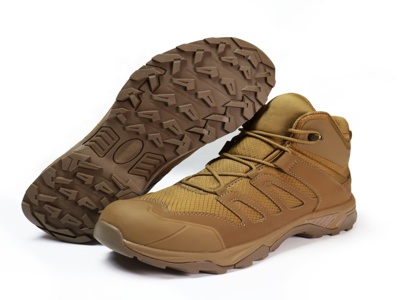
В современном промышленном мире безопасность на рабочем месте является не просто формальностью, а фундаментальной необходимостью. Ежегодно миллионы работников по всему миру сталкиваются с рисками, связанными с их профессиональной деятельностью. Согласно данным Международной организации труда (МОТ), несчастные случаи на производстве и профессиональные заболевания приводят к потере примерно 2,78 миллионов жизней каждый год. Это тревожная статистика, которая подчеркивает острую потребность в эффективных мерах защиты. Среди множества средств индивидуальной защиты (СИЗ) защитные ботинки занимают особое место. Они не только защищают ноги от непосредственных физических опасностей, таких как падающие предметы, острые поверхности или химические воздействия, но и служат символом культуры безопасности в организации. В этой статье мы глубоко исследуем, почему защитные ботинки являются ключом к безопасности на рабочем месте, анализируя их историю, типы, стандарты, процесс выбора, правильное использование, юридические аспекты, экономические выгоды и будущие тенденции. Мы рассмотрим реальные примеры из различных отраслей, такие как строительство, manufacturing, нефтегазовая промышленность и логистика, чтобы продемонстрировать, как правильно подобранная обувь может значительно снизить уровень травматизма и улучшить общую производительность. Кроме того, мы обсудим психологические аспекты ношения СИЗ и то, как образовательные программы могут усилить их эффективность. К концу этой статьи читатель получит comprehensive understanding того, как инвестиции в качественные защитные ботинки окупаются многократно через сохранение здоровья работников и снижение операционных затрат.
Исторический контекст: Эволюция защитной обуви
Защитная обувь имеет богатую историю, которая насчитывает тысячелетия. Еще в древние времена люди использовали примитивные формы защиты для ног, такие как кожаные сандалии с металлическими вставками у римских легионеров или деревянные башмаки у европейских крестьян в Средневековье, которые предохраняли от грязи и minor injuries. Однако настоящий прорыв произошел во время Промышленной революции XVIII и XIX веков. С ростом фабрик и заводов увеличилось количество несчастных случаев, связанных с тяжелым machinery и hazardous materials. В ответ на это стали появляться первые специализированные защитные ботинки. Например, в угольных шахтах рабочие начали носить ботинки с reinforced toes чтобы защититься от падающих камней. В XX веке, с развитием материаловедения, защитная обувь стала более sophisticated. Введение стали for toe caps в 1930-х годах marked a significant milestone, а later, использование композитных материалов и полимеров сделало обувь lighter и more comfortable. Важным шагом стало создание международных стандартов, таких как ISO 20345, который был first published в 1990-х годах и continues to evolve. Today, защитные ботинки incorporate advanced technologies like anti-static properties, electrical hazard protection, and even smart sensors for monitoring health metrics. This historical evolution shows how protective footwear has transformed from a basic necessity to a high-tech tool that is integral to workplace safety protocols worldwide.
Типы защитных ботинок и их особенности
Защитные ботинки come in a wide variety of types, each designed to address specific hazards in different work environments. Understanding these types is crucial for making an informed choice. The most common categorization is based on the level of protection they offer. First, there are safety toes boots, which feature a reinforced toe cap to protect against impact and compression. These are further divided into steel toe, alloy toe, and composite toe boots. Steel toe boots are traditional and provide excellent protection but can be heavy, whereas composite toes, made from materials like fiberglass or plastic, are lighter and do not conduct heat or cold, making them ideal for extreme temperatures. Second, puncture-resistant boots have midsoles made of materials like steel or Kevlar to prevent sharp objects from penetrating the sole. These are essential in construction sites or waste management where nails, glass, or metal shards are common. Third, electrical hazard boots are designed to reduce the risk of electric shock by providing insulation. They are rated for specific voltages and are mandatory in industries like utilities or electronics manufacturing. Fourth, chemical-resistant boots are made from materials such as rubber or neoprene to protect against corrosive substances. They are used in laboratories, chemical plants, and agricultural settings. Fifth, slip-resistant boots have specially designed outsoles with deep treads to prevent falls on wet or oily surfaces, common in kitchens, hospitals, or warehouses. Additionally, there are boots with metatarsal guards for extra protection of the foot's upper part, waterproof boots for outdoor work, and insulated boots for cold environments. Some advanced models include features like anti-fatigue insoles, breathable linings, and even connectivity for tracking worker location and health. Choosing the right type depends on a thorough risk assessment of the workplace. For instance, in a manufacturing plant with heavy machinery, steel toe boots with puncture resistance might be appropriate, while in a food processing facility, slip-resistant and chemical-resistant boots would be prioritized. It's also important to consider comfort and fit, as ill-fitting boots can lead to discomfort and reduce compliance. Many manufacturers now offer ergonomic designs and customization options to ensure that protective footwear does not compromise mobility or comfort. In summary, the diversity in protective boots allows employers to tailor their safety programs to specific needs, ultimately enhancing overall workplace safety.
Стандарты и сертификация: Обеспечение качества и соответствия
To ensure that protective boots meet minimum safety requirements, various international and national standards have been established. These standards provide guidelines for design, testing, and performance, helping employers and workers select reliable products. The most widely recognized standard is ISO 20345, which specifies requirements for safety footwear. This standard includes different levels of protection, such as SB (basic safety), S1 (additional features like anti-static and energy absorption), S2 (water-resistant), S3 (puncture-resistant), and S4/S5 (for rubber or plastic boots with similar protections). In Europe, the CE marking indicates conformity with health, safety, and environmental protection standards, and boots must undergo rigorous testing by notified bodies. In the United States, the American Society for Testing and Materials (ASTM) sets standards, with ASTM F2413 being a key reference for safety toe caps and puncture resistance. Additionally, the Occupational Safety and Health Administration (OSHA) regulations require employers to provide PPE that meets these standards. Other regions have their own certifications, such as the Canadian Standards Association (CSA) in Canada or AS/NZS in Australia and New Zealand. Compliance with these standards is not optional; it is a legal obligation in many countries. For example, in Russia, protective footwear must adhere to GOST standards, which are aligned with international norms. Certification involves testing for impact resistance, compression resistance, slip resistance, electrical insulation, and other hazards. Manufacturers must regularly audit their products to maintain certification, and employers should verify that the boots they purchase carry the appropriate marks. Beyond legal compliance, adhering to standards ensures that boots perform as expected in real-world conditions, reducing the likelihood of accidents. It also facilitates global trade, as standardized products can be used across borders. However, standards are continually updated to reflect new risks and technological advancements. For instance, recent revisions have included tests for antimicrobial properties or smart features. Employers should stay informed about these changes and periodically review their PPE policies. In conclusion, standards and certification are the backbone of quality assurance in protective footwear, providing a framework that protects workers and helps organizations avoid liabilities.
Процесс выбора: Как выбрать правильные защитные ботинки
Selecting the right protective boots is a critical step that requires a systematic approach. It begins with a comprehensive risk assessment of the workplace. Employers should identify all potential hazards, such as falling objects, sharp materials, slippery surfaces, electrical risks, chemical exposures, and extreme temperatures. Involving workers in this process is essential, as they have firsthand experience with the conditions. Once hazards are identified, the next step is to determine the specific features needed in the boots. For example, if there is a risk of heavy impact, boots with a high-level safety toe (e.g.,符合 ISO 20345 S3) should be chosen. If workers are exposed to liquids, waterproof and chemical-resistant properties are necessary. Comfort is equally important; boots should fit well, provide adequate support, and be made from breathable materials to prevent fatigue and foot problems like blisters or plantar fasciitis. Trying on multiple sizes and styles is recommended, and many companies offer fitting sessions or samples. Budget considerations also play a role, but it's crucial not to compromise on quality for cost, as cheap boots may not provide sufficient protection and could lead to higher expenses due to injuries. Purchasing from reputable manufacturers who comply with standards ensures reliability. Additionally, consider the duration of use; for long shifts, boots with anti-fatigue insoles are beneficial. Maintenance aspects should not be overlooked; boots need to be inspected regularly for wear and tear and replaced when damaged. Some organizations implement boot exchange programs to ensure consistent protection. Training workers on how to properly wear and care for their boots is part of the selection process, as improper use can negate the benefits. Finally, feedback from users should be collected and used to refine future choices. By following a structured selection process, employers can equip their workforce with boots that not only meet safety standards but also enhance comfort and productivity, making the workplace safer and more efficient.
Правильное использование и обслуживание защитных ботинок
Even the best protective boots will fail if not used and maintained correctly. Proper usage starts with education. Workers should be trained on why they need to wear the boots, how to put them on correctly (e.g., ensuring laces are tied securely to prevent tripping), and when to wear them (i.e., at all times in hazardous areas). Supervisors must enforce compliance through regular checks and positive reinforcement, rather than punishment, to foster a culture of safety. Maintenance is equally vital. Boots should be inspected daily before use for signs of damage, such as cracks, worn soles, or compromised toe caps. Any defects should be reported immediately, and the boots replaced. Cleaning is important to remove dirt, chemicals, or other contaminants that could degrade the materials. For example, chemical-resistant boots should be rinsed after exposure to corrosive substances. Storage matters too; boots should be kept in a dry, cool place away from direct sunlight to prevent material breakdown. Some boots may require periodic treatment, like waterproofing sprays for leather boots. Employers can set up maintenance schedules and provide facilities for cleaning and storage. Additionally, rotating between pairs of boots can extend their lifespan by allowing them to air out and reduce moisture buildup, which can lead to odors and fungal infections. Records of inspections and replacements help track the lifecycle of the boots and ensure timely updates. In cases where boots are shared among workers, proper sanitization between uses is necessary to prevent the spread of infections. Technological advancements, such as boots with embedded sensors, can aid in monitoring usage and alerting when maintenance is needed. By emphasizing proper use and maintenance, organizations can maximize the protective benefits of the boots, reduce accident rates, and lower long-term costs associated with injuries and equipment replacement. This proactive approach turns protective footwear from a static item into an active component of workplace safety management.
Юридические и нормативные аспекты: Обязанности работодателей и работников
Legal frameworks around protective footwear vary by country but generally impose duties on both employers and employees to ensure safety. In many jurisdictions, employers are legally required to conduct risk assessments and provide appropriate PPE, including protective boots, at no cost to the worker. For instance, in the European Union, the PPE Directive 89/686/EEC (now replaced by Regulation (EU) 2016/425) mandates that employers supply CE-marked PPE and ensure its proper use. Similarly, in the United States, OSHA standards under 29 CFR 1910.132 require employers to assess workplace hazards and provide PPE that meets ANSI or ASTM standards. Failure to comply can result in fines, legal actions, and even criminal charges in cases of negligence leading to serious injury or death. Employers must also train employees on the correct use of PPE and maintain records of such training. On the other hand, employees have a duty to use the provided PPE correctly and report any defects or hazards. They may face disciplinary action if they refuse to wear protective boots without a valid reason, as this endangers not only themselves but also others. In Russia, labor laws and regulations such as those from Rostrud emphasize the employer's responsibility to provide safe working conditions, including PPE that complies with GOST standards. Regular audits and inspections by government agencies ensure adherence. Additionally, in the event of an accident, investigations often focus on whether PPE was provided and used properly, which can affect liability and compensation claims. Beyond national laws, industry-specific regulations may apply; for example, in the oil and gas sector, additional standards might be required. It's advisable for employers to stay updated on legal changes and seek legal counsel to avoid violations. By understanding and fulfilling these legal obligations, organizations not only protect their workers but also safeguard themselves from legal repercussions, reinforcing that protective boots are not just a tool but a legal necessity for workplace safety.
Экономические выгоды: Инвестиции в защитные ботинки окупаются
Investing in high-quality protective boots may seem like a significant expense, but it offers substantial economic benefits that far outweigh the costs. Direct costs of workplace injuries include medical expenses, compensation claims, and increased insurance premiums. For example, a single foot injury can cost thousands of dollars in treatment and lost productivity. By preventing such injuries through proper footwear, companies can save money. Indirect costs are even more impactful: reduced morale, higher absenteeism, training replacements, and potential legal fees. Studies have shown that for every dollar spent on PPE, including protective boots, there is a return of $4 to $6 in reduced injury-related costs. Moreover, comfortable and effective boots can enhance productivity by reducing fatigue and allowing workers to focus on their tasks without discomfort. This leads to higher output and better quality work. In industries with high turnover, providing good PPE can improve employee retention, as workers feel valued and safe, reducing recruitment and training costs. Additionally, companies with strong safety records often enjoy a better reputation, which can attract more business and talented employees. There are also incentives such as lower insurance premiums for organizations with low accident rates. For instance, in some countries, insurance providers offer discounts for implementing robust safety programs that include proper PPE use. Furthermore, avoiding accidents means avoiding downtime, which is crucial in time-sensitive industries like manufacturing or construction. The initial investment in quality boots—which might range from $50 to $200 per pair—is minor compared to the potential savings from prevented injuries. Employers should view protective boots not as an expense but as a strategic investment in human capital and operational efficiency. By calculating the total cost of ownership, including maintenance and replacement cycles, organizations can make informed decisions that benefit both their bottom line and their workforce's well-being.
Реальные примеры и case studies: Успехи в различных отраслях
Real-world examples demonstrate the tangible impact of protective boots on workplace safety. In the construction industry, a study by the Center for Construction Research and Training found that foot injuries account for approximately 10% of all construction-related injuries, but companies that enforced strict PPE policies, including mandatory steel-toe boots, saw a 60% reduction in such incidents. For instance, a large construction firm in Germany implemented a program where workers were provided with customized, comfortable safety boots and trained on their use; within a year, reported foot injuries dropped by 70%, and worker satisfaction increased. In the manufacturing sector, a automotive plant in the United States introduced puncture-resistant boots after several incidents involving metal shards. Post-implementation, there were zero puncture injuries over the next two years, saving an estimated $500,000 in medical and compensation costs. In the oil and gas industry, where hazards include heavy equipment and slippery surfaces, a company in Norway equipped its workers with insulated, slip-resistant boots rated for cold environments. This led to a 50% decrease in slip-and-fall accidents during winter months, enhancing both safety and operational continuity. In logistics and warehousing, a distribution center in Japan adopted anti-fatigue boots with good arch support, resulting in a 30% reduction in complaints about foot pain and a 15% increase in productivity due to less fatigue. Another case from the healthcare sector: a hospital in Canada provided nurses with slip-resistant boots to prevent falls on wet floors, which reduced related injuries by 40% and lowered insurance claims. These examples highlight that regardless of the industry, investing in the right protective boots yields positive outcomes. They also underscore the importance of tailoring the choice to specific risks and involving employees in the process to ensure acceptance and compliance. By learning from these successes, other organizations can replicate similar safety improvements.
Психологические аспекты: Как защитные ботинки влияют на восприятие безопасности
The psychological impact of wearing protective boots is often overlooked but plays a crucial role in overall safety culture. When workers wear appropriate PPE, it signals that their employer values their well-being, which can boost morale and foster a sense of security. This, in turn, increases compliance with safety protocols. Research in organizational psychology shows that employees who feel protected are more engaged and productive, as they can concentrate on their work without constant anxiety about potential hazards. Conversely, if PPE is uncomfortable or poorly fitted, it may lead to resistance and underuse, negating its benefits. For example, if boots are too heavy or cause blisters, workers might avoid wearing them, increasing risk. Therefore, comfort is not just a physical issue but a psychological one; comfortable boots are more likely to be worn consistently. Education is key here; when workers understand the reasons behind the requirement—such as showing statistics on injuries prevented—they are more motivated to comply. Additionally, peer influence can be powerful; in teams where everyone wears protective boots, it becomes a social norm, and newcomers adopt the behavior quickly. Supervisors should lead by example, wearing the same PPE to demonstrate commitment. In some cultures, protective boots are seen as a status symbol or a mark of professionalism, which can enhance pride in work. However, there can be negative perceptions if the boots are associated with low-status jobs; employers can counteract this by choosing stylish, modern designs and emphasizing the technology involved. Ultimately, the psychological aspect reinforces that safety is not just about equipment but about mindset. By addressing both the physical and psychological needs, organizations can create an environment where protective boots are embraced as a vital part of daily routine, leading to a stronger, more resilient safety culture that reduces accidents and improves overall job satisfaction.
Будущие тенденции: Инновации в защитной обуви
The future of protective boots is exciting, with innovations driven by technology and changing workplace demands. Smart boots equipped with sensors are becoming more prevalent; these can monitor vital signs like heart rate, body temperature, or fatigue levels, alerting supervisors to potential health issues before they become critical. For example, in high-risk environments like mining or firefighting, boots with GPS and motion sensors can track workers' locations and detect falls, enabling rapid response in emergencies. Materials science is advancing too, with the development of lighter, stronger composites that offer better protection without added weight. Some companies are experimenting with self-cleaning surfaces or antimicrobial coatings to improve hygiene, especially in healthcare or food industries. Sustainability is another growing trend; eco-friendly boots made from recycled materials or biodegradable components are gaining popularity, reducing environmental impact. Customization through 3D printing is on the horizon, allowing for perfectly fitted boots based on individual foot scans, which could eliminate comfort issues and enhance protection. Additionally, integration with other IoT devices could create a seamless safety ecosystem where boots communicate with helmets, gloves, and other gear. In terms of design, aesthetics are improving to make protective boots more appealing, encouraging wider adoption. Regulatory bodies are likely to update standards to include these new features, ensuring they meet safety requirements. However, challenges remain, such as cost, battery life for electronic components, and data privacy concerns. Despite this, the trajectory is clear: protective boots will evolve from passive protective gear to active, intelligent systems that not only prevent injuries but also promote overall health and efficiency. Employers should stay informed about these trends and consider piloting new technologies to stay ahead in safety management, ensuring that their investment in protective footwear continues to deliver maximum benefits in the years to come.
Заключение: Защитные ботинки – неотъемлемая часть безопасности на рабочем месте
В заключение, защитные ботинки являются фундаментальным элементом системы безопасности на рабочем месте. Они защищают от множества hazards, начиная от физических травм и заканчивая химическими воздействиями, и их importance cannot be overstated. Through historical evolution, they have become sophisticated tools that combine protection with comfort. Adherence to standards ensures quality, while a careful selection process tailors them to specific risks. Proper use and maintenance maximize their lifespan and effectiveness. Legally, they are a requirement that protects both employers and employees. Economically, they offer a high return on investment by preventing costly injuries. Real-world examples across industries prove their value, and psychological factors highlight their role in fostering a safety culture. Looking ahead, innovations will make them even more integral to workplace safety. Ultimately, investing in quality protective boots is not just a compliance issue but a moral and strategic imperative that safeguards lives, enhances productivity, and builds a resilient organization. By prioritizing this key aspect of PPE, we can create safer work environments for everyone.