



- Почтовый ящик:
- Телефон:
- Мобильные телефоны:
- Связь:
- Адрес:
- Room 9098, 9/f, No. 1, Shabei South Street, Guangzhou, Guangdong, China
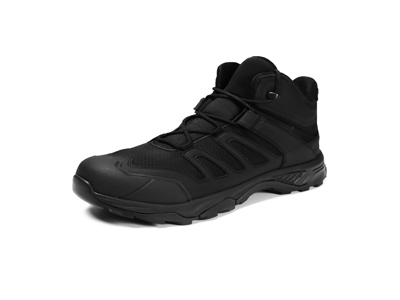
Вы когда-нибудь задумывались, почему некоторые рабочие ботинки служат годами, а другие разваливаются через несколько месяцев? Или, возможно, вы сталкивались с дискомфортом или даже травмами из-за неправильно подобранной обуви на производстве? В мире промышленности, где безопасность и производительность идут рука об руку, выбор подходящих рабочих ботинок — это не просто вопрос удобства, а критически важный аспект для защиты здоровья и жизни. Но как же сделать правильный выбор среди бесчисленных моделей и брендов? Давайте вместе разберемся в этом вопросе, шаг за шагом.
Почему выбор рабочих ботинок так важен для работы на заводе?
Работа на заводе сопряжена с множеством рисков: тяжелые предметы, острые края, химические вещества, скользкие поверхности и многое другое. Неподходящая обувь может не только вызвать дискомфорт, но и привести к серьезным травмам, таким как порезы, ушибы, или даже переломы. Согласно статистике, до 20% производственных травм связаны с ногами, и многие из них можно предотвратить с помощью качественных ботинок. Кроме того, комфортная обувь повышает продуктивность — когда ноги не болят, работник может сосредоточиться на своих задачах, а не на боли. Но как убедиться, что выбранные ботинки действительно соответствуют всем требованиям? Давайте углубимся в детали.
Ключевые критерии выбора: На что обратить внимание в первую очередь?
При выборе рабочих ботинок для завода необходимо учитывать несколько фундаментальных аспектов. Во-первых, безопасность: ботинки должны соответствовать стандартам, таким как S1P или S3 в Европе, которые гарантируют защиту от ударов, проколов и других опасностей. Во-вторых, материал: кожа, синтетические материалы или комбинации — каждый имеет свои преимущества и недостатки. Например, кожа прочна и дышит, но может быть тяжелой, в то время как синтетика легче, но менее долговечна. В-третьих, комфорт: подошва должна амортизировать удары, а внутренняя часть — обеспечивать поддержку свода стопы. Но как оценить все это в магазине? И не забывайте о таких вещах, как вес ботинок — тяжелые модели могут утомлять за долгий рабочий день, а легкие — иногда жертвовать защитой. Также учитывайте климатические условия: если на заводе жарко, нужна обувь с вентиляцией; если холодно — с утеплением. А что насчет размера? Слишком тесные ботинки вызывают мозоли, а слишком свободные — могут привести к падениям. Неужели есть универсальное решение? К сожалению, нет — выбор всегда индивидуален, но зная эти критерии, вы можете сузить круг options.
Стандарты безопасности: Что означают S1P, S3 и другие маркировки?
В Европе рабочие ботинки классифицируются по стандартам EN ISO 20345, которые включают уровни защиты, такие как S1, S1P, S2, S3 и другие. S1, например, обеспечивает базовую защиту: противоударный носок и антистатичность. S1P добавляет защиту от проколов подошвы, что критично для заводов с металлическими обломками. S2 включает водонепроницаемость, а S3 — усиленную защиту от проколов и часто более прочную конструкцию. Но почему эти стандарты так важны? Они не только гарантируют, что ботинки прошли rigorous testing, но и помогают работодателям соответствовать требованиям охраны труда. Например, на металлургическом заводе, где есть риск падения тяжелых предметов, ботинки S3 могут быть обязательными. Однако, не все ботинки с маркировкой одинаково хороши — некоторые бренды могут экономить на материалах. Как проверить, что стандарт действительно соблюден? Ищите сертификацию от авторитетных органов, таких как TÜV или CE marking. Также, обратите внимание на дополнительные features, такие как защита от кислот или огня, если это relevant для вашего workplace. Но не переусердствуйте: ботинки с максимальной защитой могут быть излишне тяжелыми и дорогими. Как найти баланс?
Материалы изготовления: Кожа, синтетика или что-то еще?
Выбор материала для рабочих ботинок — это компромисс между прочностью, весом, комфортом и стоимостью. Натуральная кожа, особенно full-grain leather, известна своей долговечностью и способностью «дышать», что предотвращает потение ног. Однако, она может быть дорогой и требовать регулярного ухода. Синтетические материалы, такие как полиуретан или нейлон, often lighter and more affordable, but may not last as long in harsh conditions. Some modern options include hybrid materials that combine the best of both worlds. For instance, boots with leather uppers and synthetic reinforcements in high-wear areas. But how do you know which material is right for your specific job? If you work with chemicals, you might need boots made from resistant materials like nitrile or PVC. In wet environments, waterproof membranes like Gore-Tex can be a game-changer. And what about the sole? Polyurethane soles are lightweight and flexible, but may wear out faster than rubber soles, which offer better grip and durability. It's a lot to consider, isn't it? Perhaps trying on different materials and reading reviews from other workers in similar industries can help. But remember, no material is perfect — it's all about finding what works for you.
Комфорт и эргономика: Почему это так важно для долгих смен?
Представьте себе: вы стоите на ногах 8-12 часов в день, поднимаете тяжести, перемещаетесь по заводу. Неудобные ботинки могут превратить это в пытку, leading to fatigue, back pain, and even long-term health issues. That's why comfort is not a luxury—it's a necessity. Key elements include cushioning insoles, arch support, and a well-fitting last (the shape of the boot). Look for boots with memory foam or gel insoles that mold to your feet, reducing pressure points. The midsole should provide shock absorption, especially if you're on concrete floors all day. And don't forget about the heel: a slightly elevated heel can improve posture and reduce strain. But how do you test comfort in a store? Wear the boots for a few minutes, walk around, and simulate movements you do at work. If possible, try them with the socks you usually wear. Also, consider breathability: boots with moisture-wicking linings can prevent blisters and odors. However, too much cushioning might make the boots bulky. Is there a way to achieve both comfort and agility? Yes, many modern boots are designed with ergonomics in mind, using advanced materials that are both supportive and lightweight. But it often comes at a higher price. Are you willing to invest in your comfort?
Защитные функции: От чего должны защищать ваши ботинки?
На заводе опасности подстерегают на каждом шагу, и ваши ботинки должны быть вашим первым line of defense. Basic protections include a steel toe cap (or composite for lighter weight) to guard against crushing injuries, and puncture-resistant midsoles to prevent sharp objects from penetrating. But what about other risks? For electrical hazards, look for boots with dielectric properties that insulate against shock. In environments with sparks or open flames, flame-resistant materials are essential. Slip resistance is another critical feature—check for outsoles with deep treads and materials like rubber that provide grip on oily or wet surfaces. Some boots even have metatarsal guards for extra protection over the top of the foot. But with all these features, boots can become heavy and restrictive. How do you prioritize? Start by assessing the specific risks at your workplace. Talk to your safety officer or review incident reports to identify common hazards. For example, if you work in a warehouse with forklifts, puncture resistance might be top priority. If you're in a chemical plant, chemical resistance is key. And don't overlook the little things: reinforced heels and toes can prevent wear and tear, extending the life of the boots. But is it possible to have all protections without sacrificing mobility? Advances in technology are making it easier, but it's still a trade-off.
Практические советы по примерке и покупке
Выбрать ботинки — это только half the battle; you need to ensure they fit perfectly. Ill-fitting boots can cause more problems than they solve. Here's a step-by-step guide: First, measure your feet at the end of the day when they are slightly swollen, as this mimics conditions during work. Wear the socks you plan to use—thick work socks can add half a size or more. When trying on boots, walk around and pay attention to any pinching or slipping. There should be about a thumb's width of space at the toe to allow for movement and swelling. Check the width: your foot shouldn't feel squeezed, but the boot shouldn't be too loose either. Lace them up properly to ensure a secure fit. If possible, test them on an incline or uneven surface to see how they perform. And don't rush the decision—many stores allow returns if the boots don't work out. But what about online shopping? It's convenient, but risky. Look for retailers with good return policies and detailed size charts. Read reviews from other buyers, especially those with similar foot shapes or job types. However, nothing beats trying them on in person. Perhaps visit a specialized workwear store where staff can offer expert advice. And remember, break-in period: even the best boots might need a few days to conform to your feet. But if they cause pain from the start, they're probably not the right pair.
Уход и maintenance: Как продлить срок службы ваших ботинок?
Investing in quality boots is one thing; keeping them in good condition is another. Proper care can double or triple their lifespan, saving you money in the long run. Start with regular cleaning: remove dirt and debris after each use to prevent abrasion. For leather boots, use a damp cloth and mild soap, then apply a conditioner to keep the leather supple and prevent cracking. Waterproof boots may need re-treatment with a spray or wax to maintain their resistance. Check the insoles and replace them if they wear out—this can refresh comfort without buying new boots. Inspect the soles for wear: if treads are smooth, it's time for a resole or replacement, as slip resistance decreases. Store boots in a cool, dry place away from direct sunlight to prevent material degradation. But what about odors? Use boot dryers or inserts to keep them fresh, and rotate between two pairs if possible to allow them to air out. However, over-maintenance can be harmful—too much oil can attract dirt, for example. How often should you care for your boots? It depends on usage: daily use might require weekly attention, while occasional use less so. And don't forget safety: if boots are damaged, especially the protective features, replace them immediately. Is it worth repairing old boots? For high-quality ones, yes—resoling can be cost-effective. But for cheaper models, it might be better to buy new. What's your threshold?
Бюджет и стоимость: Сколько стоит качественная защита?
Цена на рабочие ботинки может варьироваться от нескольких тысяч рублей до over 10,000 рублей or more for premium models. Is it worth spending more? Generally, yes—higher price often correlates with better materials, construction, and safety features. Cheap boots may save money upfront but cost more in replacements and potential health issues. For example, a pair of boots for 5,000 рублей might last a year, while a 10,000-ruble pair could last three years, making them more economical in the long run. But budget constraints are real. How can you get the best value? Look for sales, discounts, or employer subsidies—many companies provide or reimburse for safety gear. Consider the total cost of ownership: include maintenance costs and potential downtime from injuries. Also, think about versatility: if you work in multiple environments, investing in a pair that meets various standards might be smarter than buying several cheap pairs. However, don't assume expensive always means better—read reviews and check certifications. Some mid-range brands offer excellent quality at a reasonable price. And what about custom-made boots? They can be perfect for unique needs but are very costly. Is there a sweet spot? For most factory workers, boots in the 7,000-12,000 руб range often strike a good balance between cost and quality. But ultimately, it's an investment in your safety and comfort. Are you ready to prioritize that?
Заключение: Сделайте информированный выбор для вашей безопасности
Выбор прочных рабочих ботинок для завода — это complex decision that involves weighing safety, comfort, materials, and cost. By understanding the standards, assessing your specific needs, and trying on multiple options, you can find boots that protect you and enhance your productivity. Remember, your feet are your foundation—don't compromise on their protection. Start by evaluating the risks at your workplace, then use the criteria discussed here to narrow down your choices. And don't hesitate to seek advice from colleagues or professionals. With the right boots, you can work confidently and safely, day after day. So, what's your next step? Will you check your current boots for wear, or start researching new ones? The power to choose is in your hands—make it count!
This article has covered the essential aspects of choosing durable work boots for factory settings. From safety standards to practical tips, we hope it empowers you to make a smart decision. If you have any questions or experiences to share, feel free to leave a comment below. Stay safe and productive!