



- Почтовый ящик:
- Телефон:
- Мобильные телефоны:
- Связь:
- Адрес:
- Room 9098, 9/f, No. 1, Shabei South Street, Guangzhou, Guangdong, China
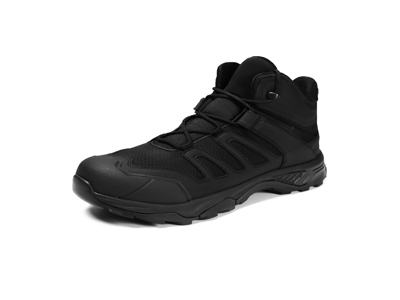
В современном промышленном мире безопасность на рабочем месте является приоритетом номер один. Среди множества средств индивидуальной защиты (СИЗ) особое место занимают защитные ботинки, особенно те, что предназначены для опасных работ, где риск ударов, падений предметов и других механических воздействий чрезвычайно высок. Стойкость против ударов – это не просто дополнительная функция, а жизненно важная характеристика, которая может предотвратить серьезные травмы и даже спасти жизни. В этой статье мы глубоко погрузимся в тему защитных ботинок, уделяя особое внимание их способности противостоять ударам, и предоставим вам исчерпывающую информацию, чтобы помочь сделать informed выбор.
Почему стойкость против ударов так важна?
На производственных площадках, строительных объектах, в логистических центрах и многих других отраслях работники ежедневно сталкиваются с рисками, связанными с падением тяжелых предметов, острыми кромками или неожиданными ударами. Согласно статистике Всемирной организации здравоохранения (ВОЗ), травмы ног составляют значительную долю всех производственных несчастных случаев – до 15% в некоторых отраслях. Эти травмы могут варьироваться от ушибов и переломов до более серьезных повреждений, приводящих к длительной нетрудоспособности или инвалидности. Защитные ботинки с высокой стойкостью против ударов designed to absorb and disperse the energy from impacts, reducing the force transferred to the foot and lower leg. This not only minimizes the risk of injury but also enhances overall comfort and productivity, as workers feel more confident and secure in their environment.
Основные причины, почему стойкость против ударов критична:
- Предотвращение травм: Удары от падающих инструментов, материалов или оборудования могут cause fractures, crush injuries, or even amputations. Защитные ботинки с reinforced toe caps (например, из стали или композитных материалов) и ударопоглощающими подошвами significantly reduce these risks.
- Соблюдение нормативов: Во многих странах, включая Россию, существуют строгие regulations, such as those from Ростехнадзор or международные стандарты like ISO 20345, которые mandate the use of protective footwear in hazardous environments. Несоблюдение этих требований может привести к штрафам, судебным искам и reputational damage для компаний.
- Повышение эффективности работы: Когда workers feel protected, они могут focus on their tasks without constant worry, leading to higher productivity and fewer errors. Кроме того, комфортные ботинки reduce fatigue, allowing for longer and more efficient work shifts.
- Экономическая выгода: Инвестиции в качественные защитные ботинки окупаются за счет снижения costs associated with workplace injuries, such as medical expenses, compensation claims, and downtime. Проактивный подход к безопасности всегда более cost-effective, чем reactive measures after an accident.
Чтобы лучше понять масштаб проблемы, рассмотрим реальные примеры. На строительной площадке worker might be handling heavy steel beams; if one slips and falls, standard footwear would offer little protection, leading to a crushed foot. Однако, в защитных ботинках с steel toe cap, удар распределяется и поглощается, minimizing injury. Similarly, in a warehouse, forklift operators risk dropping pallets on their feet; protective boots with impact resistance can mean the difference between a minor incident and a career-ending injury.
Ключевые характеристики защитных ботинок с стойкостью против ударов
Выбор подходящих защитных ботинок требует понимания их key features. Вот основные элементы, на которые следует обращать внимание:
1. Защитный носок (Toe Cap)
Это сердце ударопрочности ботинок. Защитные носки typically made from:
- Сталь: Классический материал, offering excellent protection against impacts and compression. Steel toe caps are tested to withstand forces up to 200 joules (equivalent to a 20kg weight dropped from 1 meter height) according to standards like EN ISO 20345. Однако, они могут быть heavier and conduct temperature, making them less comfortable in extreme conditions.
- Композитные материалы: Изготовлены из материалов like fiberglass, пластика или кевлара, these are lighter, non-metallic, and do not conduct cold or heat, making them ideal for environments with temperature extremes. Они также не set off metal detectors, which is useful in security-sensitive areas. Современные композитные носки provide comparable protection to steel and are increasingly popular.
- Алюминий: Легче стали, но менее durable и может deform under extreme impacts, so they are less common today.
При выборе, убедитесь, что носок соответствует стандартам, such as having a clearance of at least 1.5 cm from the toes to prevent pinch injuries.
2. Подошва и промежуточная подошва
Подошва играет crucial role in impact absorption and overall safety. Key aspects include:
- Ударопоглощающая промежуточная подошва: Often made from materials like polyurethane or EVA (ethylene vinyl acetate), it helps dissipate energy from impacts, reducing shock to the feet and joints. This is especially important for workers who are on their feet all day or work on hard surfaces.
- Противоскользящая outsole: Provides traction on slippery surfaces, preventing falls that could lead to secondary impacts. Look for outsoles with deep lugs and oil-resistant properties.
- Проколостойкость: Многие ботинки include a midsole plate made of steel or composites to protect against sharp objects like nails or glass, which is often combined with impact resistance features.
Стандарты, такие как ISO 20345, specify levels of protection for soles, including resistance to penetration and slip resistance.
3. Материалы верха
Верхняя часть ботинок должна быть durable and supportive. Common materials include:
- Кожа: Full-grain leather is highly resistant to abrasions and offers good breathability, but it may require more maintenance. split leather or synthetics are also used for cost-effectiveness.
- Синтетические материалы: Такие как нейлон или полиуретан, они lightweight, waterproof, and easy to clean, making them suitable for wet or chemical environments.
- Водонепроницаемость: Многие защитные ботинки feature membranes like Gore-Tex to keep feet dry, which enhances comfort and prevents issues like blisters or fungal infections.
Выбор материала зависит от specific workplace hazards; for example, in chemical plants, boots with chemical-resistant coatings are essential.
4. Дополнительные защитные features
Современные ботинки often include extra protections:
- Защита голеностопа: High-cut boots provide better support and protection against twists or impacts to the ankle.
- Теплоизоляция: Для работ в cold environments, insulated boots keep feet warm, preventing frostbite and maintaining dexterity.
- Электростатическая dissipative или антистатическая properties: Important in industries where static electricity could ignite explosives or damage electronics.
- Метatarsal protection: Additional guards that protect the metatarsal bones on the top of the foot, often required in heavy industries like mining or metalworking.
Эти features should be selected based on a risk assessment of the workplace.
5. Комфорт и эргономика
Защита бесполезна, если ботинки неудобны, так как workers may avoid wearing them. Key comfort factors include:
- Амортизация: Хорошая cushioning in the insole and midsole reduces fatigue.
- Вентиляция: Breathable materials prevent sweat buildup, which can lead to discomfort and skin issues.
- Вес: Легкие ботинки reduce strain on the legs and back, especially for jobs requiring lots of movement.
- Размер и fit: Proper sizing is crucial; boots should allow for slight movement but not be too loose, as this can cause blisters or reduce protection.
Многие производители offer boots with ergonomic designs, such as anatomical footbeds or flexible soles, to enhance comfort without compromising safety.
Стандарты и сертификация
Чтобы ensure that protective boots meet minimum safety requirements, они должны соответствовать международным или национальным стандартам. В России и странах СНГ commonly referenced standards include:
- ГОСТ 12.4.137-84: Российский standard for protective footwear, which specifies requirements for impact resistance, penetration resistance, and other properties.
- EN ISO 20345: Европейский standard that is widely adopted globally. It defines different safety levels: SB (basic safety), S1 (additional features like antistatic properties), S2 (water-resistant), S3 (penetration resistance), and S4/S5 for specific environments. For impact resistance, boots must pass tests where a 20kg weight is dropped from a height, and the deformation inside the boot must not exceed a certain limit.
- ASTM F2413: Американский standard, which includes ratings for impact (I) and compression (C) resistance.
При покупке, ищите маркировку на ботинках, indicating compliance with these standards. Например, boots with "EN ISO 20345:2021 S3" have met rigorous testing for impact, penetration, and water resistance.
Сертификация ensures that the boots have been independently tested and verified. Organizations like Ростест in Russia or notified bodies in the EU conduct these tests. Всегда проверяйте сертификаты before purchasing, especially for bulk orders in industrial settings.
Как выбрать подходящие ботинки: Практическое руководство
Выбор защитных ботинок should be based on a thorough assessment of workplace hazards. Вот step-by-step guide:
- Проведите оценку рисков: Identify specific hazards in your environment – are there falling objects, sharp materials, slippery surfaces, chemicals, or electrical risks? Consult safety datasheets or involve a safety officer.
- Определите необходимый уровень защиты: Based on the risks, choose boots with the appropriate features. For example, if impacts are a primary concern, focus on boots with high-impact toe caps and metatarsal guards.
- Учитывайте условия работы: Think about temperature, moisture, and duration of wear. For cold stores, insulated boots are key; for outdoor work in rain, waterproof boots are essential.
- Тестируйте комфорт: Always try on boots before buying. Walk around, check for pressure points, and ensure they fit well with work socks. Remember, comfort directly affects compliance.
- Проверьте срок службы и maintenance: Quality boots may cost more upfront but last longer. Look for durable materials and easy-to-clean surfaces. Regular maintenance, like cleaning and conditioning leather, can extend life.
- Обучите работников: Ensure that workers understand how to wear and care for their boots. Improper use, such as loosening laces too much, can reduce protection.
Для иллюстрации, рассмотрим сценарий: На нефтеперерабатывающем заводе, workers face risks from falling tools, chemical spills, and slippery surfaces. Here, boots with steel toe caps (EN ISO 20345 S3 rating), chemical-resistant uppers, and slip-resistant soles would be ideal. Brands like Jallatte, Sievi, or отечественные производители like Roscraft offer models tailored to such environments.
Обзор рынка и ведущие бренды
Рынок защитной обуви diverse, with many brands offering products focused on impact resistance. Вот некоторые из ведущих:
- Jallatte (Франция): Known for high-comfort boots with excellent protection, often used in heavy industries.
- Sievi (Финляндия): Specializes in durable, weather-resistant boots popular in construction and logistics.
- Timberland PRO (США): Offers a range of protective boots with advanced comfort technologies.
- Roscraft (Россия): Отечественный бренд, producing boots that meet GOST standards, often more affordable and tailored to local conditions.
- U-Power (Италия): Focuses on innovative designs with composite protections.
Цены варьируются от 3,000 до 15,000 рублей за пару, depending on features and brand. При выборе, читайте отзывы и тесты, чтобы убедиться в качестве.
Инновации и будущие тенденции
Технологии в защитной обуви continuously evolving. Recent innovations include:
- Умные ботинки: С датчиками для monitoring impacts, temperature, or even fatigue, sending alerts to supervisors via IoT.
- Улучшенные materials: Например, использование graphene-enhanced composites for lighter yet stronger protection.
- Устойчивость: Больше брендов focus on eco-friendly materials and recycling programs.
- Кастомизация: 3D-printing allows for personalized fits based on foot scans, enhancing comfort and protection.
Эти trends aim to make protective boots not only safer but also smarter and more sustainable.
Заключение
Защитные ботинки с стойкостью против ударов – это indispensable tool for anyone working in hazardous environments. Investing in quality footwear is an investment in health, safety, and productivity. By understanding the key features, standards, and selection criteria, you can ensure that you or your team are adequately protected. Remember, safety starts from the ground up – never compromise on it.
Для дальнейшей информации, consult resources from organizations like OSHA (Occupational Safety and Health Administration) or local safety authorities, and always prioritize tried-and-tested products from reputable brands.